

Your skin begins repairing itself almost immediately after a mole is removed, initiating a complex healing process that helps restore the skin's surface and protect underlying tissue. But what happens in the days and weeks that follow can influence how smoothly the skin heals and how the area ultimately looks once recovery is complete. This is why mole removal aftercare is essential. Proper care of the treated area helps reduce irritation, support healthy skin regeneration, and lower the chances of complications such as infection or noticeable scarring.
In this article, we will share seven practical aftercare tips to support comfortable healing after mole removal and help you achieve the best possible skin outcome.
The Importance of Mole Removal Aftercare
Aftercare covers every step you take to protect your skin after a mole has been removed. It includes cleaning the wound, changing dressings, shielding the area from the sun, and attending follow-up appointments.
Your skin has been disrupted, and your body is working hard to repair it. Good aftercare of mole removal supports that process and reduces the risk of complications. Following your plan closely leads to real, measurable improvements in how your skin heals:
- Faster, cleaner healing: Helps the skin repair itself more efficiently.
- Reduced scarring: Supports smoother, more even skin as it heals.
- Lower risk of infection: Keeps bacteria away from the healing area.
- Better long-term skin health: Protects the skin’s appearance and strength over time.
RELATED: Is Mole Removal Worth It?
What to Expect During the Healing Process
Healing after mole removal happens in stages. Understanding what's normal at each step helps you feel confident and in control throughout your recovery.
First 24-48 Hours
During the first day or two after mole removal, the treated area is typically at its most sensitive. Mild redness, swelling, and tenderness are common as the body begins its natural healing response. The skin begins to form an early protective layer over the wound, while inflammation helps initiate tissue repair.
Days 3-7: Recovery
By the middle of the first week, the body continues to repair the skin's surface. A thin scab or crust may form as the wound gradually closes and new skin cells develop beneath the surface. The area may still appear slightly red or pink as circulation supports the healing process.
Weeks 2-4: Skin Renewal
During this stage, the outer layer of the skin continues regenerating. Any scab that formed typically sheds naturally as fresh skin replaces the treated tissue underneath. The newly revealed skin often appears pink or lighter as it continues to strengthen and rebuild.
Months 1-3: Skin Maturation
Even after the surface appears healed, deeper layers of the skin continue remodeling. Collagen gradually reorganizes beneath the skin, helping improve texture and strength in the treated area. Over time, the skin's colour usually becomes more even as the healing process matures.
Signs Your Skin Is Healing Normally
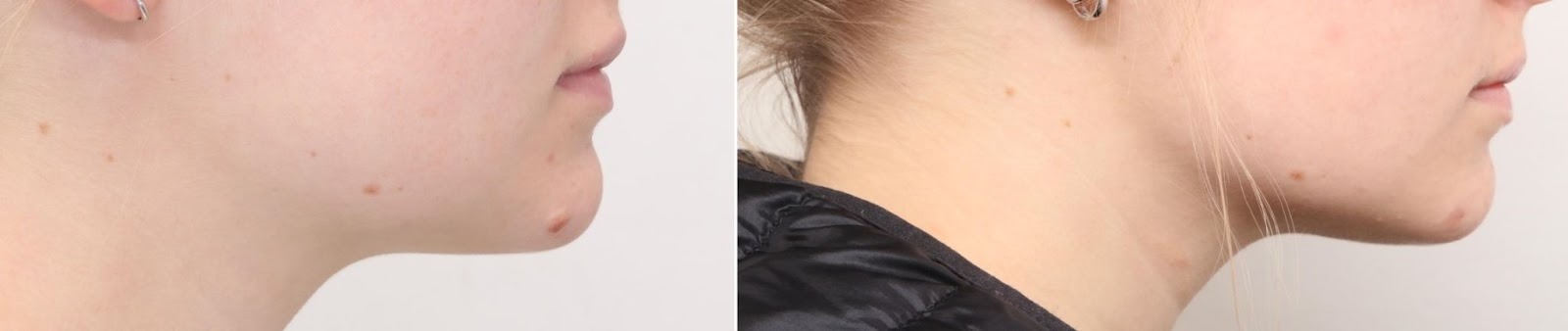
It's natural to keep a close eye on the treated area. Here's what healthy, normal healing typically looks like:
- Mild redness around the wound in the first few days
- Light swelling or puffiness that gradually decreases
- A scab or crust forming over the site within the first week
- Itching as the skin regenerates; this is a sign of healing, though scratching must be avoided
- Pink or lighter-toned skin once the scab sheds, especially after laser treatment
- Gradual fading of any redness or discolouration over several weeks
These are all signs that your body is doing exactly what it should. As long as symptoms are mild and improving over time, your recovery is on track.
RELATED: Mole Removal Before and After Pictures
Aftercare for Laser Mole Removal: Top 7 Tips
Whether you've had a surgical excision or laser treatment, the core principles of aftercare for mole removal remain the same. But aftercare for laser mole removal tends to focus more on surface-level healing with a shorter overall recovery window. Here are seven tips to support the best possible outcome.
1. Keep It Clean and Moist
Dry wounds heal more slowly and are more prone to scarring. Apply a thin layer of petroleum jelly or a recommended healing ointment to keep the area moist. This supports your skin's natural repair process and helps new tissue form more smoothly. Avoid heavily fragranced products, as these can irritate sensitive healing skin.
2. Use SPF Every Day
Sun exposure is a leading cause of post-procedure pigmentation problems. Apply a broad-spectrum SPF 30 or higher every morning to the treated area. Reapply if you're spending extended time outdoors. This step is especially important during the skin maturation phase, when new tissue is at its most vulnerable to UV damage.
3. Avoid Harsh Skincare
Exfoliants, retinol, acids, and fragranced products can irritate healing skin and slow your recovery. Stick to gentle, fragrance-free options until your provider gives you the green light to return to your routine. This applies to both mole removal surgery aftercare and laser treatments.
4. Avoid Touching the Area
Your hands carry bacteria, and frequent touching increases the risk of infection or irritation. Let the area heal undisturbed. If you need to apply ointment or change a dressing, always wash your hands thoroughly beforehand.
5. Wear Loose, Breathable Clothing
If the removal site is on your body, make sure clothing doesn't rub against it. Friction slows healing and can reopen a wound before it's ready. Opt for soft, breathable fabrics that allow airflow without putting pressure on the treated area.
6. Stay Hydrated and Eat Well
Your body needs the right nutrients to repair tissue efficiently. Stay well-hydrated and eat a balanced diet rich in whole foods. Vitamins C and E support skin regeneration and collagen production, both of which are important parts of the healing process.
7. Follow Specialist Instructions
Your provider's instructions are tailored to your specific skin type, procedure type, and individual healing needs. Aftercare for laser mole removal may differ slightly from surgical aftercare in terms of timeline and products used. Always follow the personalised plan your specialist provides, and reach out promptly if you have any questions.
When You Should Contact Your Treatment Specialist

Most recoveries go smoothly. Still, knowing when to reach out matters. Contact your provider if you experience any of the following:
- Infection signs: Increased redness, warmth, swelling, or pus at the site
- Fever: Any temperature of 38°C (100.4°F) or higher after the procedure
- Wound reopening: Edges that separate or an area that starts bleeding again
- Unusual scarring: Raised, thick, or unusually coloured scar tissue
- Persistent pain: Discomfort that isn't improving after the first few days
These situations are uncommon, but getting prompt attention prevents minor issues from becoming bigger problems. Your provider would always rather hear from you early than have a concern go unaddressed.
Helping You Heal Confidently With Laser Mole Removal Aftercare at Cosmedica
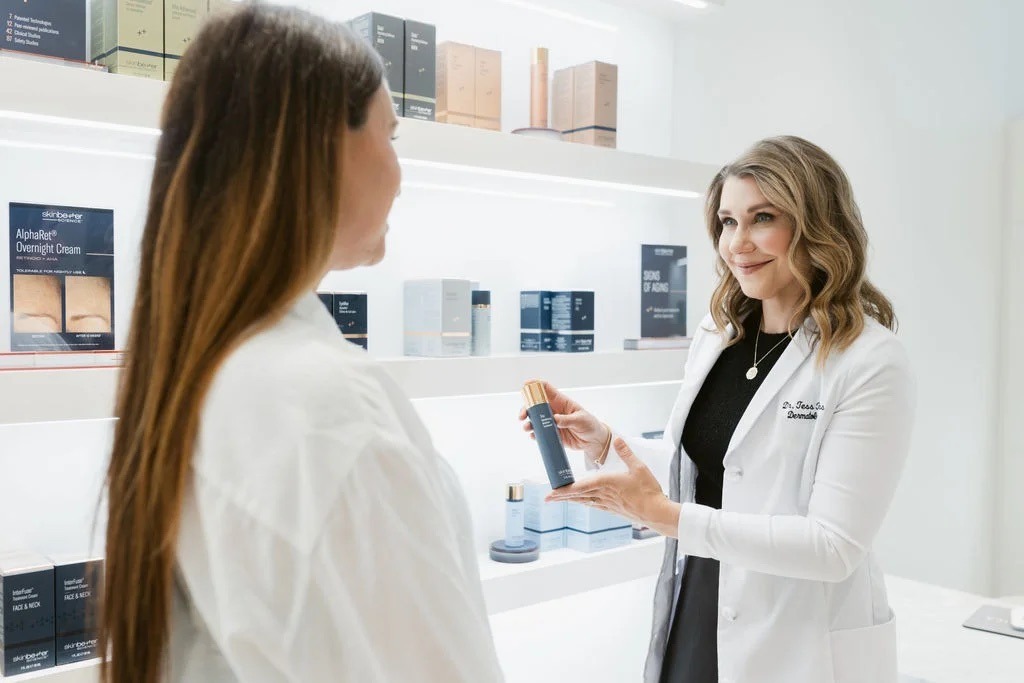
The right team makes all the difference in how well and how smoothly you recover. At Cosmedica, our treatment specialists don't just perform the procedure; they also guide you through every step of aftercare for mole removal with clear, personalized instructions tailored to your skin.
We combine clinical expertise with a genuine commitment to your results. From your first consultation to your final follow-up, our goal is to make sure your healing goes as smoothly as possible.
What sets us apart is the level of care that continues after you leave the clinic. Clients receive detailed aftercare plans, hands-on guidance, and direct access to a team that responds promptly to questions. You're never left wondering what to do next.
Ready to take the next step? Visit our medical spa in Victoria for seamless laser mole removal, followed by personalized care and support throughout your healing journey.
Final Words on Aftercare After Mole Removal
Proper healing after mole removal depends on understanding what your skin is going through and supporting that process with thoughtful care. From recognizing normal healing stages to following practical aftercare tips and avoiding common mistakes, each step helps the skin recover smoothly and minimizes the risk of irritation or scarring. Knowing when to seek guidance from a treatment specialist can also provide reassurance and help address concerns early.
If you are considering treatment or have questions about recovery, our team at Cosmedica is here to help. Book an appointment today to receive personalized guidance and expert care tailored to your skin.
FAQs About Aftercare For Mole Removal
How long does mole removal take to heal?
Most surface wounds heal within 2 to 4 weeks. Scar maturation can continue for 12 to 18 months or longer, depending on the depth and type of removal. Sun protection should continue throughout this entire period.
Can I shower after mole removal?
Yes, but keep the wound out of direct water for the first 24 to 48 hours. After that, a brief, gentle cleansing is fine. Avoid soaking in baths, pools, or hot tubs until you're fully healed.
When can I return to my normal skincare routine?
This depends on your skin and how quickly you heal. Most providers recommend waiting at least two to four weeks before reintroducing active ingredients like retinol or exfoliating acids. Always check with your specialist before making changes to your routine.
FAQs About Cosmedica
Why should I trust Cosmedica for laser mole removal?
You can trust Cosmedica for laser mole removal because I provide personalized care using advanced technology and carefully tailored treatment plans designed for safe, natural-looking results.
What makes Cosmedica different from other clinics?
What makes Cosmedica different is that I focus on individualized treatment planning, advanced technology, and a comprehensive approach to improving both skin health and confidence.
What happens during a consultation at Cosmedica?
During a consultation at Cosmedica, I evaluate your skin, discuss your concerns and goals, and create a customized treatment plan tailored specifically to your needs.