

Most people have at least one mole, and for many, it’s something they rarely think about—until it changes, becomes irritating, or draws unwanted attention. That moment often sparks a simple but important question: Is mole removal worth it when it isn’t dangerous but still affects comfort, confidence, or peace of mind? For some, the answer is driven by reassurance and long-term skin health; for others, it is about a more confident appearance.
In this article, we’ll explain what mole removal involves, who it is best suited for, what results to expect, and how Cosmedica supports patients considering this option with laser mole removal treatment in Victoria, BC.
Is Mole Removal Worth It?
Deciding whether to remove a mole often involves balancing medical reassurance, cosmetic goals, and personal comfort. These considerations typically center on how safe the procedure is, how it may affect appearance, and the peace of mind it can provide over time.
Low-Risk Procedure
Mole removal is generally considered a low-risk, outpatient procedure when performed by experienced treatment specialists. Most techniques use local anesthesia, which minimizes discomfort and allows patients to return to normal activities the same day. Complications such as infection or significant scarring are uncommon, particularly when proper technique and aftercare are followed. For many people, the safety profile of mole removal plays a major role in deciding whether it is worthwhile.
Cosmetic Confidence
Visible moles can quietly influence how someone feels about their appearance, especially when they are located on the face, neck, or other prominent areas. Removing a mole that draws unwanted attention often leads to a noticeable improvement in self-confidence, even if the change appears subtle to others. Many patients report feeling more comfortable in photos, social settings, and everyday interactions after healing is complete. This emotional benefit is one of the most common reasons people feel satisfied with their decision.
Health Reassurance
Even when a mole appears harmless, uncertainty about potential changes can create ongoing concern. Removal allows the area to be properly evaluated when needed, helping rule out underlying issues and reducing long-term worry, such as the risk of melanoma. Knowing that a qualified specialist has addressed a mole often provides reassurance that monitoring alone may not offer. For some, this sense of clarity and peace of mind is the most valuable outcome of all.
What Makes an Ideal Candidate?

An ideal candidate for mole removal is someone seeking clarity, comfort, or cosmetic improvement, while understanding the procedure's realistic outcomes. Candidates may have stable but bothersome moles or lesions that warrant closer evaluation due to recent changes. A professional assessment is always the first step in determining suitability and the most appropriate approach.
Several factors are commonly considered when deciding whether mole removal is appropriate:
- Visible Location: Moles on highly noticeable areas can affect daily confidence and self-image.
- Physical Irritation: Moles that rub against clothing or are frequently nicked can become uncomfortable over time.
- Recent Changes: Alterations in size, colour, or texture should always be professionally assessed.
- Personal Preference: Cosmetic concerns alone are a valid reason for removal when expectations are realistic.
- Overall Skin Health: Healthy surrounding skin supports smoother healing and better cosmetic outcomes.
Ultimately, suitability is determined through a personalized consultation that balances skin health, goals, and risk factors, ensuring the decision feels informed rather than rushed.
Treatment Options for Safely Removing Moles
Safely removing a mole depends on factors such as its depth, appearance, and location on the body, as well as the overall health of the surrounding skin. Different techniques are used to balance effective removal with proper healing and cosmetic outcomes, which is why the method chosen is tailored to the individual case.
Shave Removal
Removal by shaving is commonly used for raised moles that sit close to the surface and do not extend deeply below the skin. After the area is numbed, the mole is carefully shaved down to be level with the surrounding skin, making the procedure quick and generally well-tolerated. Healing typically occurs within a few weeks, and the treated area often fades to closely match the surrounding skin over time. While this method can provide excellent cosmetic results, some moles removed this way may have a small chance of regrowth.
Surgical Excision
Surgical excision is recommended when a mole extends deeper into the skin or requires complete removal for assessment. The area is numbed, the mole is removed in its entirety, along with a small margin of surrounding tissue, and the skin is then carefully closed to support clean healing. This approach allows for thorough evaluation when needed and reduces the likelihood of recurrence. Although a fine scar may remain, precise closure techniques are used to help it heal as discreetly as possible.
Laser Treatment
Laser treatment is often selected for smaller, flat, and benign moles in cosmetically sensitive areas. Laser removal of moles works by targeting pigment within the mole while minimizing disruption to the surrounding skin. This method is typically associated with quicker healing and a lower risk of noticeable scarring when appropriately chosen. Careful assessment is important, as laser treatment is not suitable for all moles and is best reserved for specific cases.
Mole Removal Before and After Expectations & Results
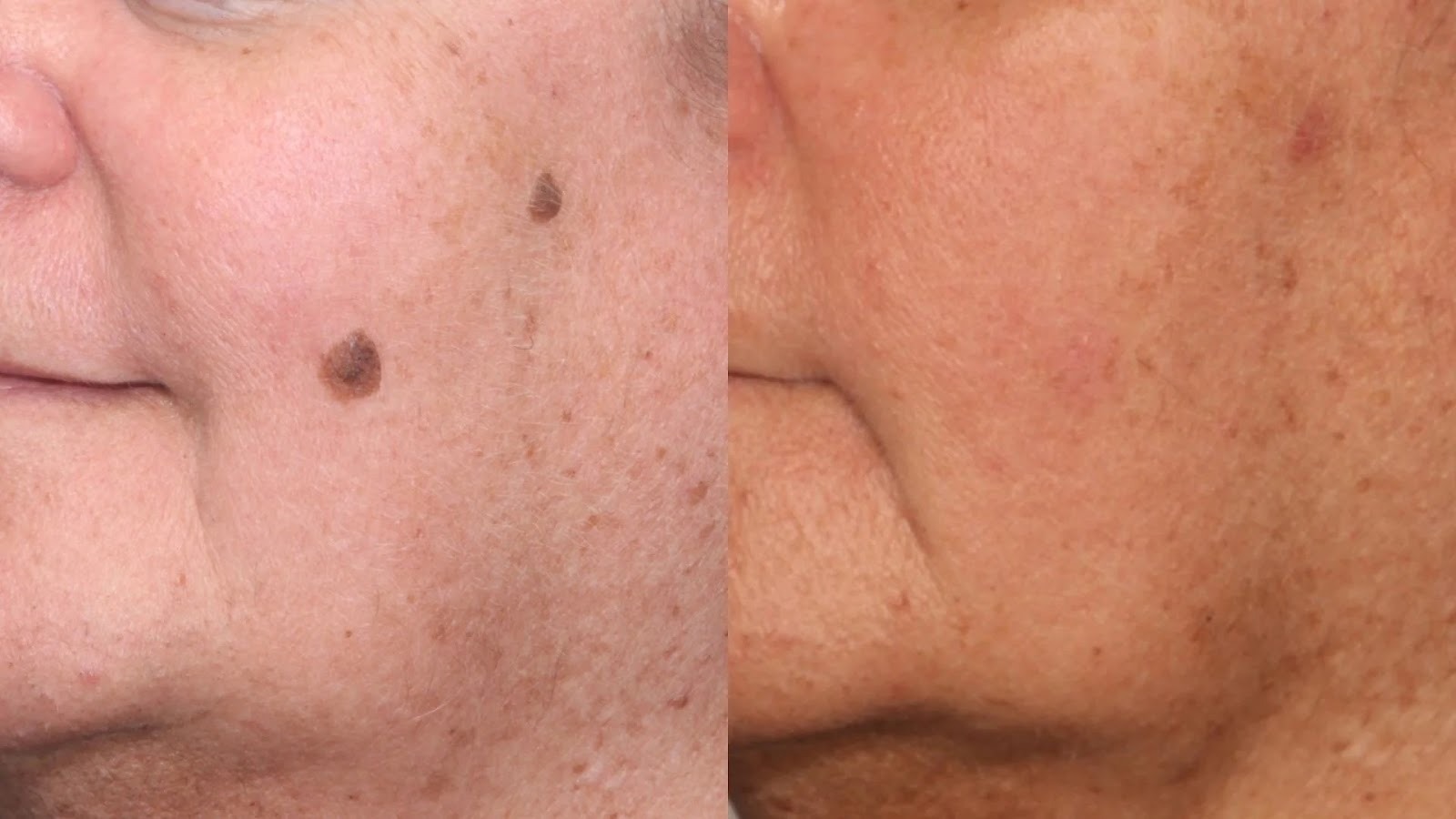
Understanding the full process helps set realistic expectations and reduces anxiety around treatment. Preparation and aftercare both play an important role in achieving the best possible outcome.
Pre-Mole Removal
Before removal, the mole is assessed to determine the most suitable technique and to rule out any concerns that require further evaluation. Patients are typically advised to avoid sun exposure and certain topical products in the days leading up to treatment. Clear communication about goals and concerns helps align expectations with likely results.
On the day of the procedure, the area is cleansed and numbed to ensure comfort. Most appointments are brief and do not require downtime afterward. Knowing what to expect beforehand often makes the experience feel far less daunting.
Post-Mole Removal
After removal, the treated area may appear red or slightly tender for a short period. Proper mole removal aftercare, such as keeping the area clean, moisturized, and protected from the sun, supports smoother healing. Most people return to normal activities immediately, with only minor adjustments during early recovery.
Over the following weeks, the skin continues to heal and settle. Any initial redness typically fades, and the area blends more naturally with surrounding skin. Patience during this phase is key to appreciating the final result.
RELATED: Mole Removal Before and After Pictures
Get Precision Laser Mole Removal in Victoria BC
Cosmedica provides personalized mole removal care with a strong focus on precision, safety, and natural-looking outcomes. Each treatment plan is guided by careful assessment and a commitment to supporting long-term skin health in a calm, professional environment.
Patients benefit from our approach in several important ways:
- Personalized Assessment: Every mole is evaluated individually to determine the most appropriate treatment approach, ensuring results align with both health and cosmetic goals. Treatment specialists take time to explain options clearly and answer questions.
- Advanced Technology: Precision-based laser systems are selected to minimize disruption to surrounding skin and support refined healing. This technology is especially valuable for visible areas where cosmetic outcomes matter most.
- Patient-Centered Care: From consultation to aftercare guidance, we prioritize comfort, clarity, and trust throughout the process. Patients are supported at every stage rather than rushed through treatment.
As a trusted medical spa in Victoria, Cosmedica combines advanced skin technology with thoughtful, individualized care, helping patients feel confident in their decision and their results. To take the next step, book a consultation with Dr. Anderson, Cosmedica’s expert in mole removal, to receive personalized guidance and precise care tailored to your skin.
So, Is Mole Removal the Right Choice for You?

Mole removal is often worth it when a mole causes ongoing concern, discomfort, or self-consciousness. The procedure is typically low risk, recovery is manageable, and the benefits can extend beyond appearance to include lasting peace of mind. For those considering mole removal, choosing a precise, professional approach is especially important to support natural-looking outcomes.
If you are weighing your options, a personalized consultation can help clarify whether removal aligns with your goals and skin health. Booking a consultation or calling us at 250-598-3300 allows you to ask questions, explore treatment options, and make a confident, informed decision.
FAQs About Mole Removal on Face & Body
How do I tell the difference between a beauty mark and a cancerous mole?
Benign moles tend to remain stable in shape and colour, while concerning moles may change over time, develop irregular borders, or vary in pigmentation. Any mole that looks different from others or evolves should be professionally assessed.
How much does it cost to remove moles?
Costs vary depending on the mole’s size, location, and the treatment method used, so a consultation is the best way to receive accurate pricing.
How can I get moles removed without scarring?
Choosing the appropriate removal technique, following professional aftercare guidance, and protecting the area from sun exposure all help minimize the appearance of scars.