

The idea of having a naturally balanced face, where features flow together smoothly from every angle, has become increasingly appealing for people seeking subtle, refined aesthetic results. Facial balancing with fillers, particularly hyaluronic acid (HA) gel-based formulations, focuses on harmony, structural support, and proportion rather than transformation. By focusing on how the face works as a whole, this approach can create a refreshed, confident appearance while preserving individuality. But, how long does facial balancing last?
In this post, we’ll explain how facial balancing works, what influences its longevity, how results change, and how carefully planned HA-based treatments at Cosmedica support natural-looking outcomes that age gracefully.
How Facial Balancing Works
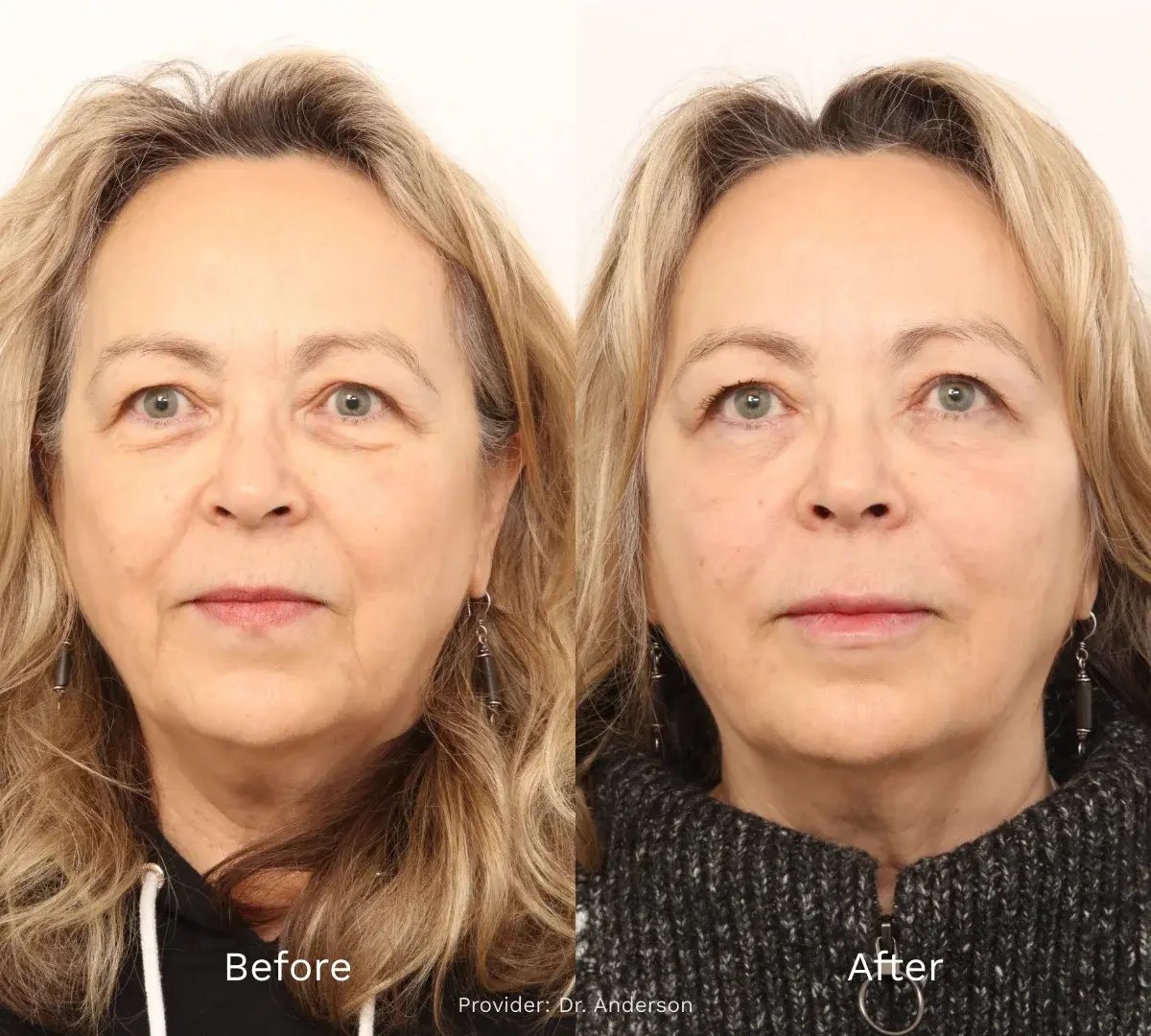
Facial balancing is a comprehensive approach that evaluates the face as a whole rather than focusing on a single feature. The goal is to improve proportion, symmetry, and structural support so the face appears naturally refreshed and harmonious from every angle. This is most often achieved with HA gel fillers, which are designed to integrate smoothly with facial tissue and move naturally with facial expressions.
Treatments are selected based on how different areas of the face relate to one another, allowing results to look balanced rather than isolated or overcorrected. This process typically involves a combination of targeted aesthetic treatments applied strategically across key areas of the face:
- Profile Refinement: Subtle adjustments to the nose and chin area help improve side-profile balance and overall facial silhouette.
- Lower Face Support: Enhancing the chin, jawline, and smile lines restores definition and counteracts age-related or volume-loss changes.
- Midface Structure: Supporting the cheek area helps maintain natural lift and smooth transitions between facial features.
By addressing these areas together, facial balancing creates cohesion across the face rather than drawing attention to individual changes. This thoughtful, proportion-based method supports natural movement and allows the face to age evenly over time.
How Long Does Facial Balancing Last?
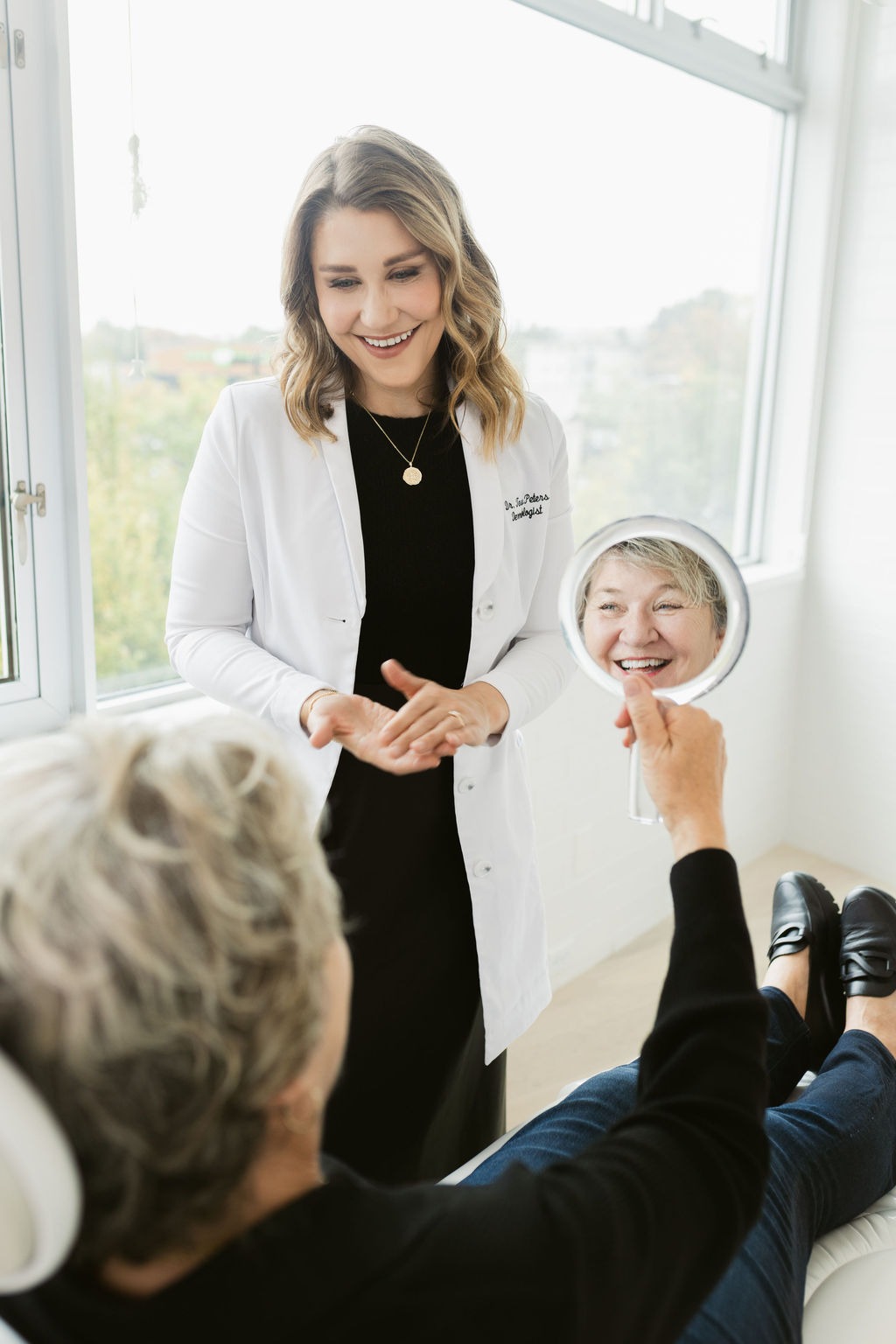
So when it comes to facial balancing, how long does it last? The answer often depends on how conservatively the treatment was planned and how the face responds over time. On average, facial balancing results last between 6 and 24 months. Many patients notice that results soften gradually rather than disappear suddenly, helping maintain a natural appearance throughout the process. Structural areas, such as the chin and jawline, often retain results longer than high-movement areas, such as the lips.
RELATED: Is Facial Harmonization Right for You?
Factors That Influence How Long Results Last
A combination of anatomical, biological, and lifestyle-related factors shapes the longevity of facial balancing. Even when HA gel injections are used, these variables influence how results settle, soften, and age over time. Understanding these factors supports realistic expectations and thoughtful long-term planning.
Treatment Area and Movement
Areas with frequent movement, such as the mouth and lower face, tend to change more quickly due to constant muscle activity. In contrast, structural areas that provide support rather than expression often maintain results longer. This difference is why full-face balance may age unevenly without proper planning.
Product Type and Volume
Different formulations are designed for different depths and purposes within the face. Products used for structure and support often last longer than those placed superficially for refinement. Using appropriate volume conservatively also helps results remain stable and natural as they fade.
Individual Aging and Metabolism
Each person’s metabolism processes products at a different rate, which influences how long the results last. Natural aging also continues alongside treatment, affecting skin quality and facial structure over time. These factors explain why longevity varies even among patients treated similarly.
Lifestyle and Maintenance
Lifestyle habits such as sun exposure, stress, weight fluctuations, and skincare routines can affect how results evolve. Regular follow-ups and light maintenance help support balance without restarting treatment from the beginning. A long-term approach often produces the most consistent outcomes.
Healing Timeline and Recovery Expectations
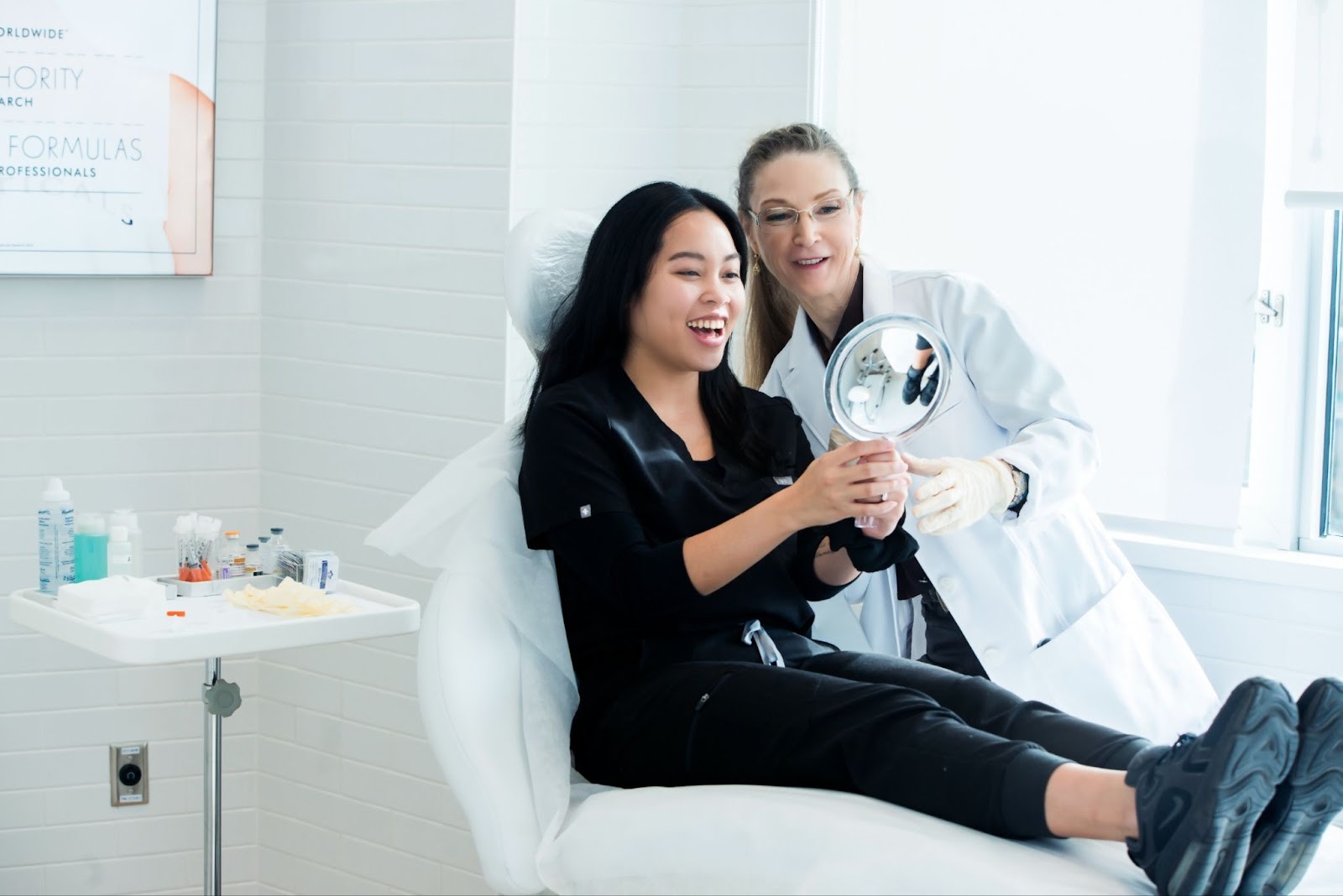
Facial balancing is known for minimal downtime and a relatively smooth recovery. Most people return to daily activities shortly after treatment, with only mild and temporary changes as the face settles. Healing is part of the process that allows results to integrate naturally.
Patients may notice the following during recovery:
- Immediate Settling Period: Mild swelling or tenderness may occur and usually resolves within a few days. During this time, features may appear slightly fuller before softening.
- Short-Term Adjustment Phase: Over the first two to three weeks, the face continues to refine as swelling subsides and balance becomes more apparent. This phase allows results to stabilize.
- Minimal Lifestyle Disruption: Most individuals resume normal routines quickly, with brief precautions to protect treated areas.
Because healing is gradual and predictable, facial balancing integrates seamlessly into daily life. This recovery pattern supports the natural, flexible qualities that HA gels are known for, rather than dramatic or sudden changes.
Get Started With Cosmedica’s Personalized Facial Balancing Approach
At Cosmedica, facial balancing begins with a comprehensive evaluation of facial proportions, movement, and long-term goals. Each plan is designed to support natural structure while respecting how the face will continue to change over time. HA gel injections are often central to this approach due to their versatility, safety profile, and ability to adapt as facial anatomy evolves.
As a trusted medical spa in Victoria, we focus on subtle refinement, conservative planning, and ongoing support. Our patients benefit from thoughtful assessments that prioritize balance over trends. By aligning treatment with anatomy and lifestyle, we can help you maintain refreshed results that still feel like yourself.
Final Thoughts on How Long Facial Balancing Lasts
So, how long does facial balancing filler last? Most patients can expect results to remain noticeable for one to two years, with gradual softening rather than sudden loss. However, longevity depends on treatment areas, individual biology, lifestyle, and how conservatively the face was balanced from the start.
Facial balancing is best viewed as a long-term strategy rather than a one-time fix. With proper planning and maintenance, results can remain consistent and natural over time. A consultation allows you to explore how HA-based treatments can support your facial balance now and in the future. Schedule your appointment with Cosmedica to get started.
FAQs About Facial Balancing Results Lasting
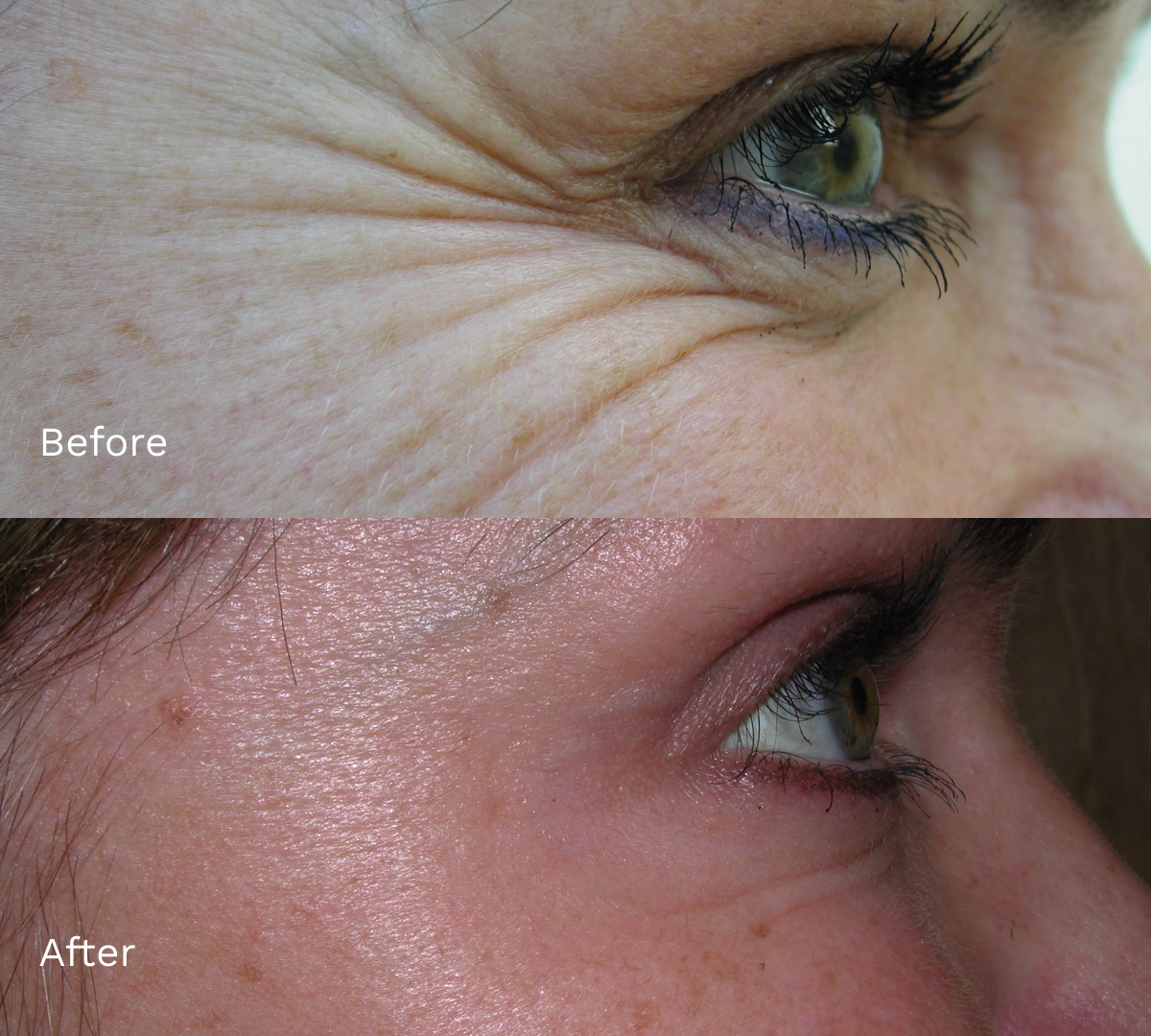
How long does facial balancing take to heal?
Most people experience mild swelling for a few days, with full settling and refinement over 2-3 weeks.
Can facial balancing results be permanent?
Results are not permanent, but they fade gradually and can be maintained with conservative follow-up care.
Which areas of the face hold results the longest?
Structural areas such as the chin and jawline typically maintain results longer than high-movement areas.
How often are touch-ups required?
Touch-ups are usually considered every 12-24 months, depending on individual response and treatment goals.
What are the facial balancing long term effects?
The long-term effects of facial balancing include gradual softening of results over time, improved overall facial harmony, and a more even aging process without sudden or noticeable changes.